Custom Construction Crew Apparel in Portland: Choosing Branded Workwear and HiVis Clothing
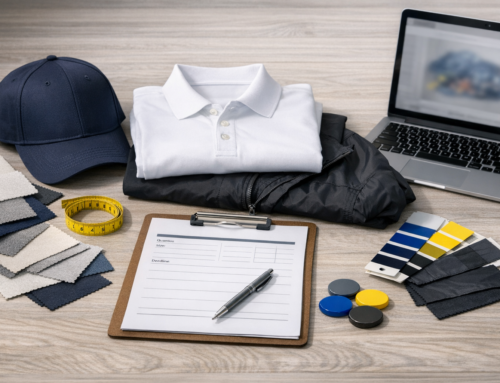
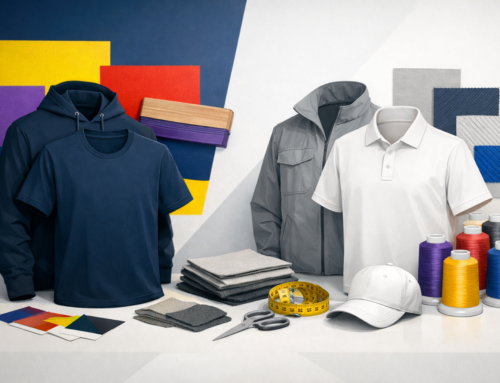
For Portland construction companies, crew apparel has to do more than display a logo. It should fit the work environment, support visibility requirements, handle regular wear, and help customers recognize your team. The most useful order is often a coordinated apparel system rather than one identical shirt for every employee.
Start with the job and safety requirements before choosing colors or decoration. Separate high-visibility layers from branding decisions, then match garments to crew roles, weather, movement, laundering, and replacement needs. Infinity Impressions serves Portland from its Tualatin location with custom screen printing, embroidery, and construction-focused apparel options.
Build a Workwear Plan Around the Job
A practical construction apparel plan begins with how your crew spends the day. Consider the worksite, visibility needs, temperature, precipitation, physical movement, and whether each item will be worn daily or only for a particular project. Field installers, forepersons, estimators, and office staff may all need different garments while still presenting one consistent brand.
For a Portland project, ask employees to describe a normal workday and group apparel by purpose. A visible base layer serves a different role from a weather layer, while a branded polo may be better for a client meeting than a heavy job-site jacket. This approach helps prevent an expensive order that looks consistent but does not work well in practice.
Confirm Visibility and Compliance Requirements
High-visibility clothing should be selected according to the project’s requirements, worksite rules, and the garment manufacturer’s documentation. Do not assume that a bright color provides the same visibility as a compliant high-visibility garment, and do not assume that adding a logo makes any item compliant. Ask the project owner, safety manager, or applicable authority what requirements apply to your crew.
Infinity Impressions’ published service information references HiVis T-shirts, safety vests, hoodies, reflective wear, jackets, and related construction apparel. Before ordering, ask which specific products are available and request the manufacturer’s compliance information for the garments under consideration. Also ask whether the proposed decoration could cover reflective material, required markings, or labels.
Match Layers to Crew Roles
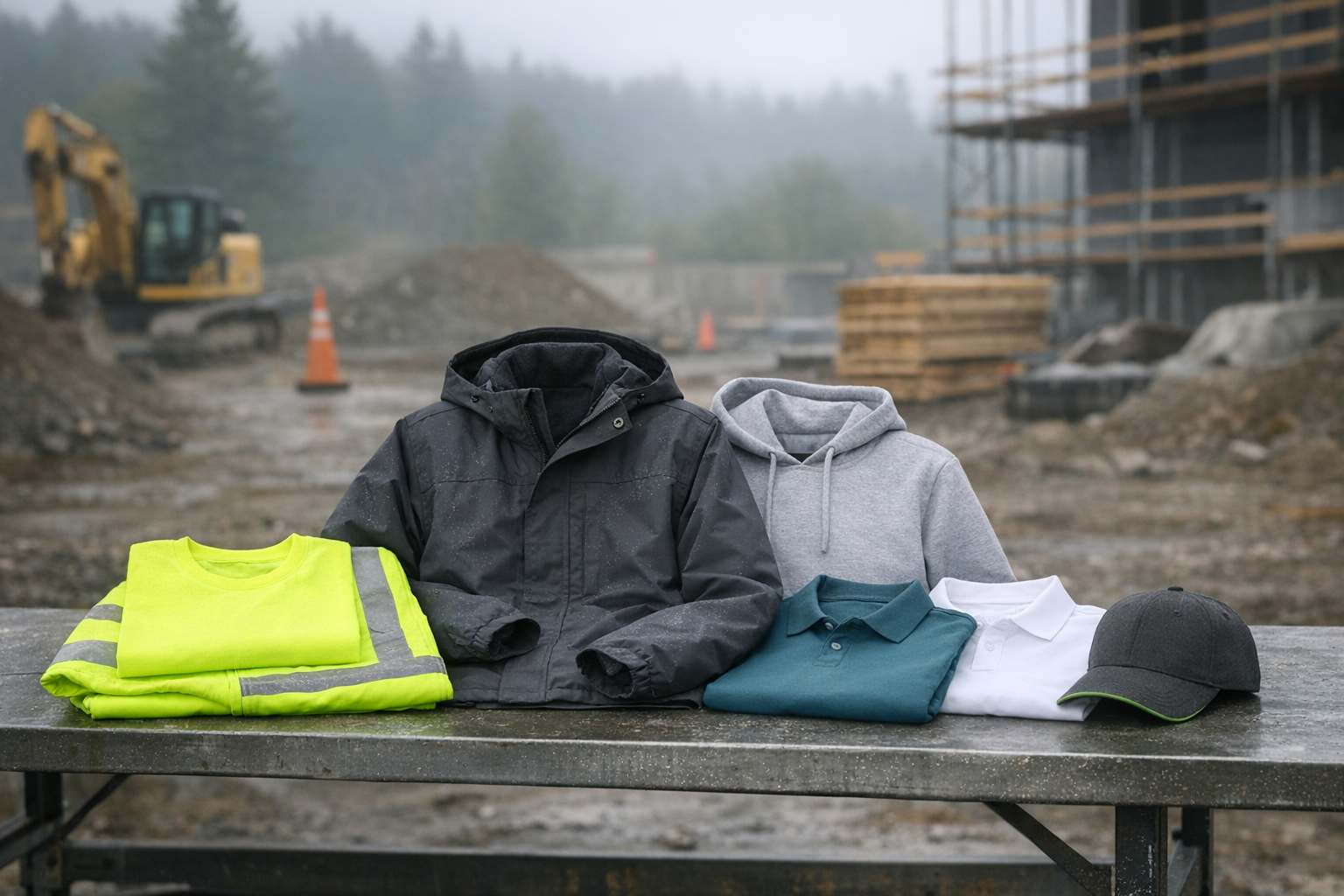
A useful apparel system may include screen-printed HiVis T-shirts or vests for active job-site work, hoodies for cooler conditions, and jackets for weather protection. Embroidered hats or beanies can help identify the crew, while embroidered jackets or shirts can provide a more polished outer layer. These are starting points, not a universal uniform list; the final mix should reflect the work and project rules.
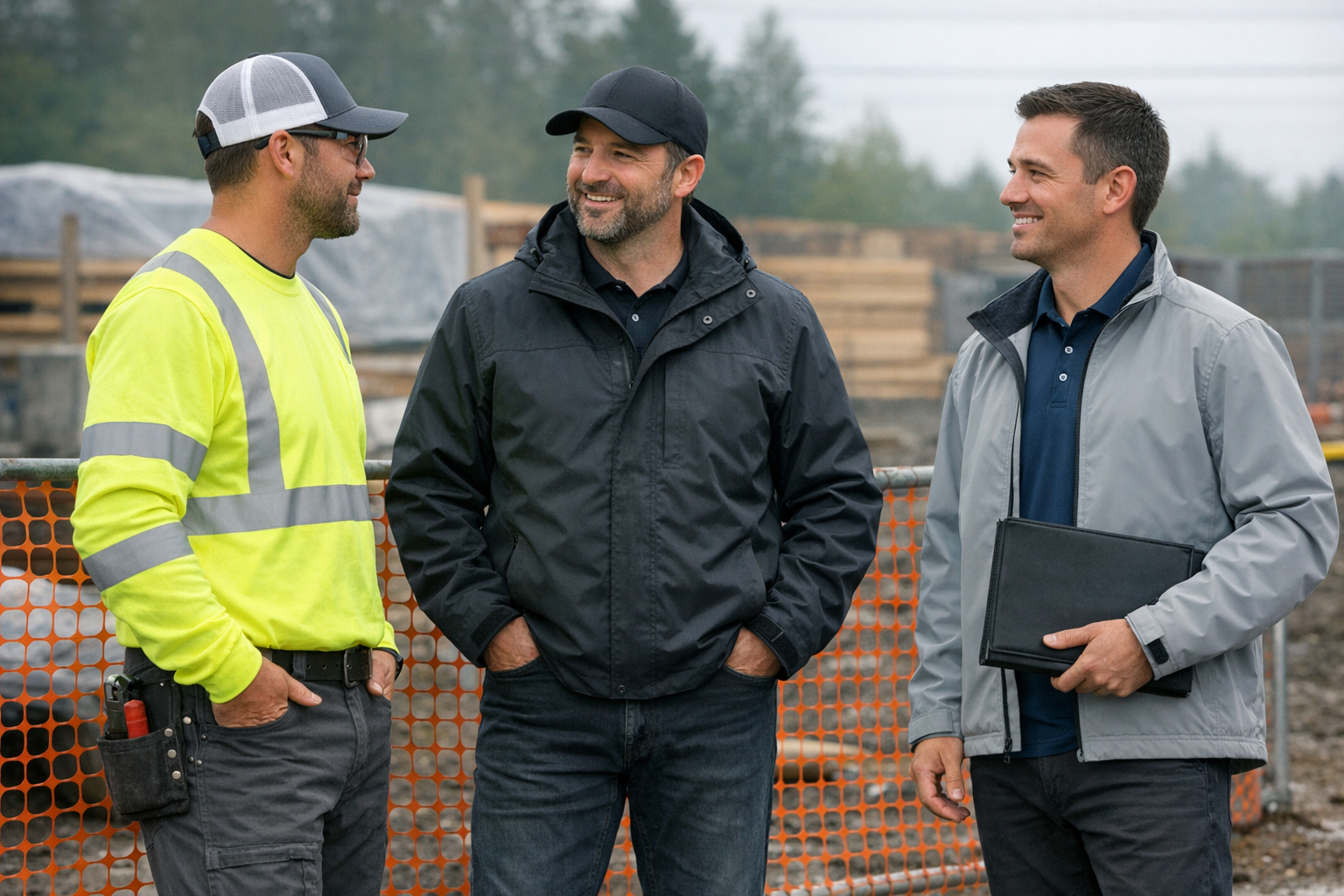
Consider separate groups for field crews, forepersons, office staff, and customer-facing employees. A hypothetical Portland contractor might choose visible base layers for an installation team, embroidered jackets for supervisors, and polos for estimators. The shared logo and color palette create consistency without forcing every employee into the same garment.
Check Movement, Weather, and Care
Construction clothing needs to move with the wearer and tolerate repeated laundering. Review the garment’s fabric, fit, pockets, closures, insulation, and care instructions before focusing on artwork. Ask whether the item works over a sweatshirt, under rain gear, or during tasks that require frequent bending and reaching.
Plan for replacement items at the same time. New hires, damaged garments, changing sizes, and expanding crews can make a one-time order difficult to repeat. Keep a simple record of garment names, colors, logo versions, decoration locations, and size quantities so a later reorder can stay consistent.
Choose Decoration and Organize the Order
Once the apparel roles are clear, choose the decoration method by garment and use case. Screen printing can suit bold artwork on flatter apparel such as T-shirts and hoodies. Embroidery can create a raised, polished finish on hats, polos, jackets, uniforms, and other workwear. A mixed order is often more useful than choosing one method for every item.
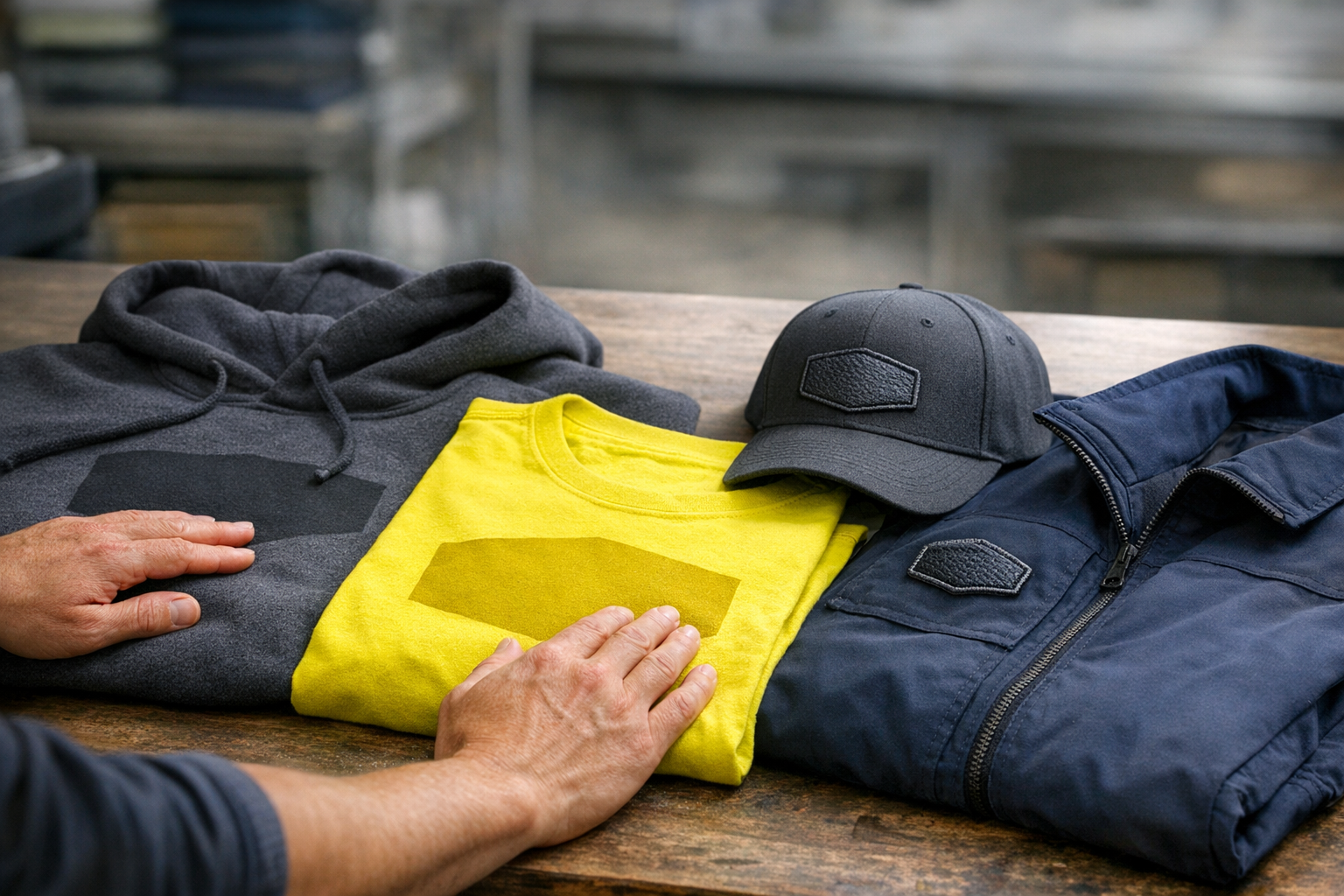
Infinity Impressions provides both custom screen printing and custom embroidery for Portland-area businesses. Its published capabilities include an 18-color M&R Cobra press for screen printing and Tajima embroidery equipment. Those capabilities support different apparel plans, but the artwork, fabric, logo size, and garment construction still need to be reviewed for each item.
Use Screen Printing for Bold Crew Graphics
Screen printing is a practical option for a larger back graphic, a bold chest design, or a crew shirt that needs clear color and strong visual impact. Infinity Impressions specifically describes screen-printed HiVis T-shirts, construction apparel, hoodies, and sweatshirts. Ask how the ink and placement will work with the garment’s texture, reflective areas, seams, and intended washing routine.
For a larger order, prepare one approved artwork file and define the ink colors before production. A hypothetical landscaping company might use a larger back mark on work T-shirts and a smaller chest mark on hoodies. The goal is not to put the biggest possible logo everywhere; it is to make the identity readable without reducing comfort or usefulness. For more detail on print-focused options, review the custom screen printing service for construction wear before requesting a quote.
Use Embroidery for Structured Workwear
Embroidery is often a strong fit for hats, beanies, polos, jackets, and uniforms where a textured, professional appearance makes sense. It may be especially useful for supervisors, customer-facing staff, and outerwear. Small lettering and intricate artwork may need adjustment, so request an embroidery proof and confirm how the logo will be simplified or sized for each garment.
Review placement separately for each item. A left-chest logo, hat-front logo, sleeve mark, and jacket-back design have different usable areas. Ask whether seams, pockets, zippers, or heavy construction could affect placement. The same logo may need more than one approved version to remain legible across shirts, hats, and jackets. The custom embroidery service is a useful next step when comparing stitched hats, jackets, polos, and other workwear.
Prepare a Quote-Ready Apparel Brief
A clear brief helps a decorator recommend workable options and prepare an itemized quote. Include the project or crew name, garment types, preferred colors, quantities by size, decoration locations, artwork files, desired in-hand date, and any known safety or purchasing requirements. Mention whether the order is for daily wear, a specific project, hiring, a trade show, or a client-facing event.
Ask which products are currently available, what sizes and colors can be supplied, whether setup or digitizing is needed, how proofs are approved, and how replacement orders can be handled. The website does not establish minimum quantities, exact inventory, or guaranteed turnaround times, so confirm those details for your order rather than assuming them. If you need coordinated Portland construction apparel, request a quote from Infinity Impressions with these details included.
Review a Sample Before the Full Order
Before approving a large order, review the proposed garment, decoration size, colors, placement, and logo proof together. A digital proof can show the general layout, but the actual garment determines how the design feels and looks when finished. Ask what will happen if the logo crosses a pocket, zipper, seam, reflective strip, or textured surface.
After approval, save the final specifications for future reorders. Note the garment style, color, logo version, decoration method, placement, and size breakdown. This record makes it easier to outfit a new Portland crew without restarting the decision process or accidentally mixing several versions of the brand.
The best next step is to send a complete apparel brief and ask for recommendations on the garment mix, decoration method, and placement. Infinity Impressions can then review the project details, available products, and production requirements instead of treating the order as a generic logo application.
Portland Construction Crew Apparel FAQ
Can Infinity Impressions provide custom HiVis construction apparel?
The company’s published service information references HiVis T-shirts, safety vests, hoodies, reflective wear, jackets, and other construction apparel. Ask about the specific garments available for your order and verify the manufacturer’s documentation against your project requirements before production.
Should construction crew clothing be screen printed or embroidered?
It depends on the garment and its use. Screen printing may suit bold graphics on T-shirts and hoodies, while embroidery may suit hats, polos, jackets, uniforms, and structured workwear. A mixed plan can give active crews visible graphics and supervisors or customer-facing staff a more polished outer layer.
What should a Portland contractor include in an apparel quote request?
Provide garment types, colors, quantities by size, logo files, decoration locations, desired date, and any project or safety requirements. Also ask about available inventory, setup or digitizing, proofs, replacement orders, and turnaround. Minimum quantities and exact product availability should be confirmed for the specific order.
Can a logo be placed on reflective or high-visibility clothing?
It may be possible, but the decoration location and method must be reviewed for the specific garment. Ask whether the logo could cover reflective material, required markings, or a compliance label, and verify the finished product against the applicable project requirements before ordering.